- Research Use Only
- All products currently listed on this site are for research purposes ONLY
- Research Use Only
- All products currently listed on this site are for research purposes ONLY
- Research Use Only
- All products currently listed on this site are for research purposes ONLY
- Research Use Only
- All products currently listed on this site are for research purposes ONLY
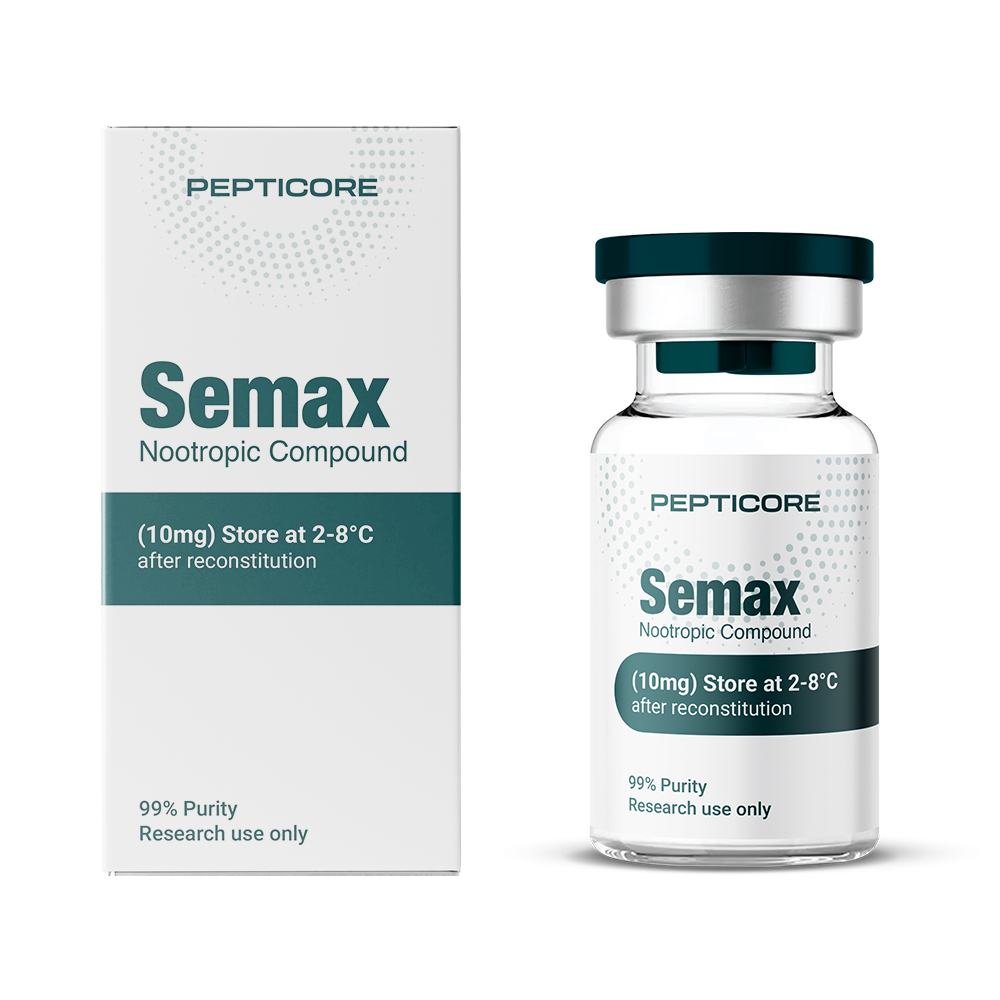
Out of Stock
Pack of 10
Single Vial
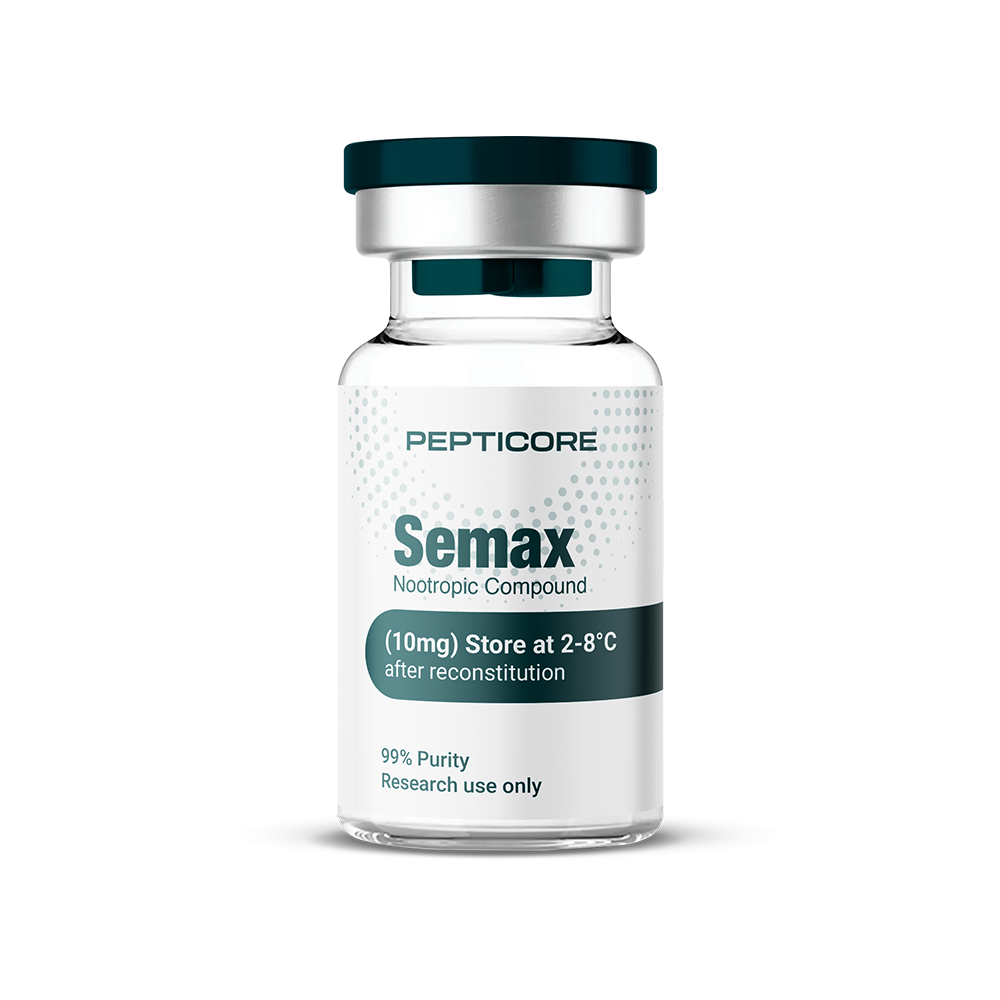
Semax
Nootropic Compound
10mg
Research Use Only
All products sold on this website are intended for research and identification purposes only and are not intended for human dosing, injections, or ingestion. These products are not FDA-approved to diagnose, treat, cure, or prevent any disease. By purchasing, you certify they will be used solely for legitimate laboratory research and not for human or animal consumption.
What is
Semax
?
Semax
Semax is a synthetic peptide derived from ACTH, studied for its neuroregulatory properties. Research explores its impact on BDNF expression, oxidative stress, and neural cell function. It’s commonly used in studies involving cognitive support and cellular signaling in the central nervous system.
Purity Reports
10mg
Certificate of Analysis
Frequently asked questions
Does the product come with instructions?
Products from Direct Peptides do not include usage instructions, as they are strictly for in vitro research and prohibited by law for human or animal use. Misuse or unlawful application will result in permanent denial of service.
What's the actual amount in each vial?
Each vial contains exactly what’s shown on the label. For example, a 10mg vial has exactly 10mg of lyophilized peptide. Researchers can divide it into smaller portions—like four 2.5mg measurements—but the total amount remains 10mg.
Are additional supplies needed?
Peptides are supplied as lyophilized powder. They do not come reconstituted, and any extra supplies must be sourced separately for research applications.
How long does a vial last?
In lyophilized powder form, peptides stay stable for up to 2 years. After reconstitution, it should be refrigerated and is generally stable for up to 2 months.

Need Help?
Send us a message.
Semax Overview
Semax is a synthetic heptapeptide derived from adrenocorticotropic hormone (ACTH 4-10) with the addition of a C-terminal Pro-Gly-Pro sequence. It is studied in laboratory and preclinical models for its influence on neuroprotection, cognitive processes, and cellular stress responses. Research has investigated its ability to modulate neurotrophic factor expression, neurotransmitter systems, and oxidative stress pathways.
Semax History
Semax was developed in Russia in the 1980s–1990s as part of research on synthetic peptides with potential neuromodulatory effects. It was designed to retain the neuroactive core of ACTH while eliminating hormonal activity, thereby providing a stable and non-hormonal peptide for CNS research. Over time, studies expanded into its roles in neuroprotection, synaptic plasticity, and regulation of gene expression in brain models.
Semax Structure

Semax Research Findings
Semax has been studied in neurological, cognitive, and systemic models, with research highlighting its role in neuroprotection, cognitive function, and stress response. Studies also report activity in neurotransmitter modulation, oxidative stress pathways, and recovery processes in preclinical settings.
Key Areas of Research:
• Neurological: neuroprotection, signaling, pathways
• Cognitive: memory, learning, function
• Systemic: stress response, repair, resilience
Together, these findings suggest broad experimental potential for Semax across neurological, cognitive, and systemic pathways. By influencing neurotransmitter systems and supporting protective and restorative responses, Semax provides a versatile platform for research into cognition, stress regulation, and systemic resilience in laboratory models.
Semax References