• Research Use Only
  • All products currently listed on this site are for research purposes ONLY
  • Research Use Only
  • All products currently listed on this site are for research purposes ONLY
  • Research Use Only
  • All products currently listed on this site are for research purposes ONLY
  • Research Use Only
  • All products currently listed on this site are for research purposes ONLY
In Stock

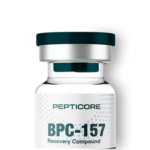
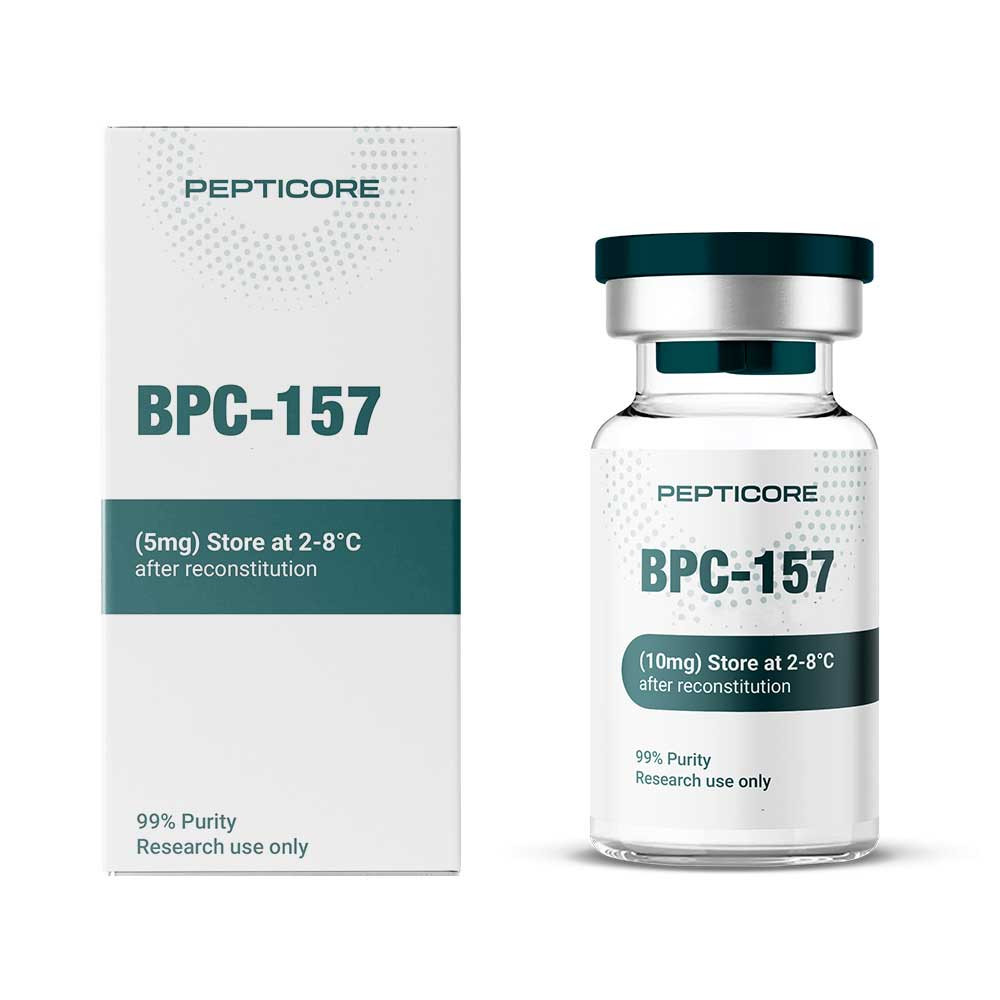
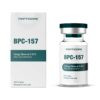
BPC-157

BPC-157
Order Now, Ships Today
$39.00
One-time

Research Use Only

All products sold on this website are intended for research and identification purposes only and are not intended for human dosing, injections, or ingestion. These products are not FDA-approved to diagnose, treat, cure, or prevent any disease. By purchasing, you certify they will be used solely for legitimate laboratory research and not for human or animal consumption.

What is

BPC-157

?

BPC-157 is a synthetic peptide sequence derived from a gastric protein fragment. In research settings, it is investigated for its interactions with angiogenic and inflammatory pathways, making it a subject of interest in studies on cellular response and recovery models.

Frequently asked questions

Products from Direct Peptides do not include usage instructions, as they are strictly for in vitro research and prohibited by law for human or animal use. Misuse or unlawful application will result in permanent denial of service.

Each vial contains exactly what’s shown on the label. For example, a 10mg vial has exactly 10mg of lyophilized peptide. Researchers can divide it into smaller portions—like four 2.5mg measurements—but the total amount remains 10mg.

Peptides are supplied as lyophilized powder. They do not come reconstituted, and any extra supplies must be sourced separately for research applications.

In lyophilized powder form, peptides stay stable for up to 2 years. After reconstitution, it should be refrigerated and is generally stable for up to 2 months.

Contact us

BPC-157 Overview

BPC-157 (Body Protection Compound-157) is a synthetic pentadecapeptide composed of 15 amino acids. It was originally derived from a naturally occurring protein fragment identified in gastric tissue. Since its discovery in the early 1990s, BPC-157 has been studied extensively in laboratory and animal models for its potential influence on cellular protection, structural repair, and angiogenic processes.

Sikiric P. et al. (1993).

BPC-157 History

The peptide was first synthesized by researchers investigating cytoprotective proteins found in gastric juice. Early experiments focused on its ability to support structural integrity in gastrointestinal models. Over time, studies broadened into musculoskeletal, vascular, and dermal systems, where BPC-157 consistently demonstrated properties of interest in the context of tissue regeneration and biological resilience.

Pflaum, M., & Ručman, R. (2005).

BPC-157 Structure

CAS #: 137525-51-0

Molecular Formula: C₆₂H₉₈N₁₆O₂₂

Molecular Weight: 1419.556 g/mol

PubChem ID: 108101

BPC-157 Research Findings

BPC-157 has been studied in structural, vascular, dermatological, and systemic models, with reports of activity in collagen regulation, extracellular matrix remodeling, angiogenesis, and wound closure. Research also highlights protective roles in preclinical systems, supporting cellular integrity and recovery processes.

Key Areas of Research:

• Structural: Collagen, matrix, tendon

• Vascular: Angiogenesis, nitric oxide, repair

• Dermatological: Wound closure, vessel growth, cells

• Systemic: Protection, viability, recovery

Together, these findings suggest broad experimental utility for BPC-157 across multiple biological pathways. Its activity in structural, vascular, dermatological, and systemic models provides a foundation for exploring diverse aspects of regenerative biology. By influencing processes such as collagen regulation, vascular growth, and cellular protection, BPC-157 offers a versatile platform for research into tissue repair, recovery, and systemic resilience within experimental settings.

Sikiric P. et al., Current Pharmaceutical Design, 2020

BPC-157
BPC-157
$39.00