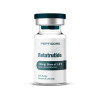
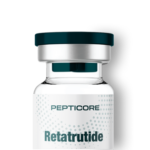
 Retatrutide
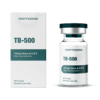
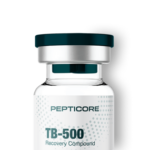 TB-500
 Ipamorelin
 Semax
Semax BPC 157
 NAD+
NAD+ Semaglutide
 Tirzepatide
 GHK-Cu
 BAC Water
- Manufactured in the USA
- Batch Produced, Batch Tested
- Secure Laboratory Packaging
- Affordable Pricing
- 24/7 Support
- Manufactured in the USA
- Batch Produced, Batch Tested
- Secure Laboratory Packaging
- Affordable Pricing
- 24/7 Support
- Manufactured in the USA
- Secure Laboratory Packaging
- Secure Laboratory Packaging
- Affordable Pricing
- 24/7 Support
- Manufactured in the USA
- Batch Produced, Batch Tested
- Secure Laboratory Packaging
- Affordable Pricing
- 24/7 Support
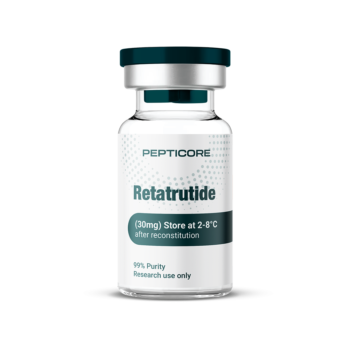
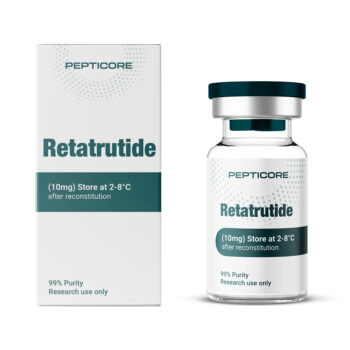
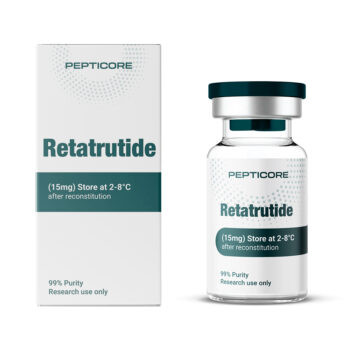
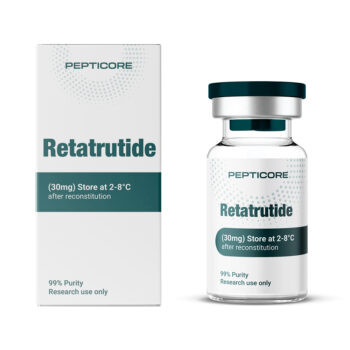
FIRST ORDER
Get 20% off with code
PEP20
— click to copy
✓ Code copied — paste it at checkout!
In Stock
Pack of 10
Single Vial
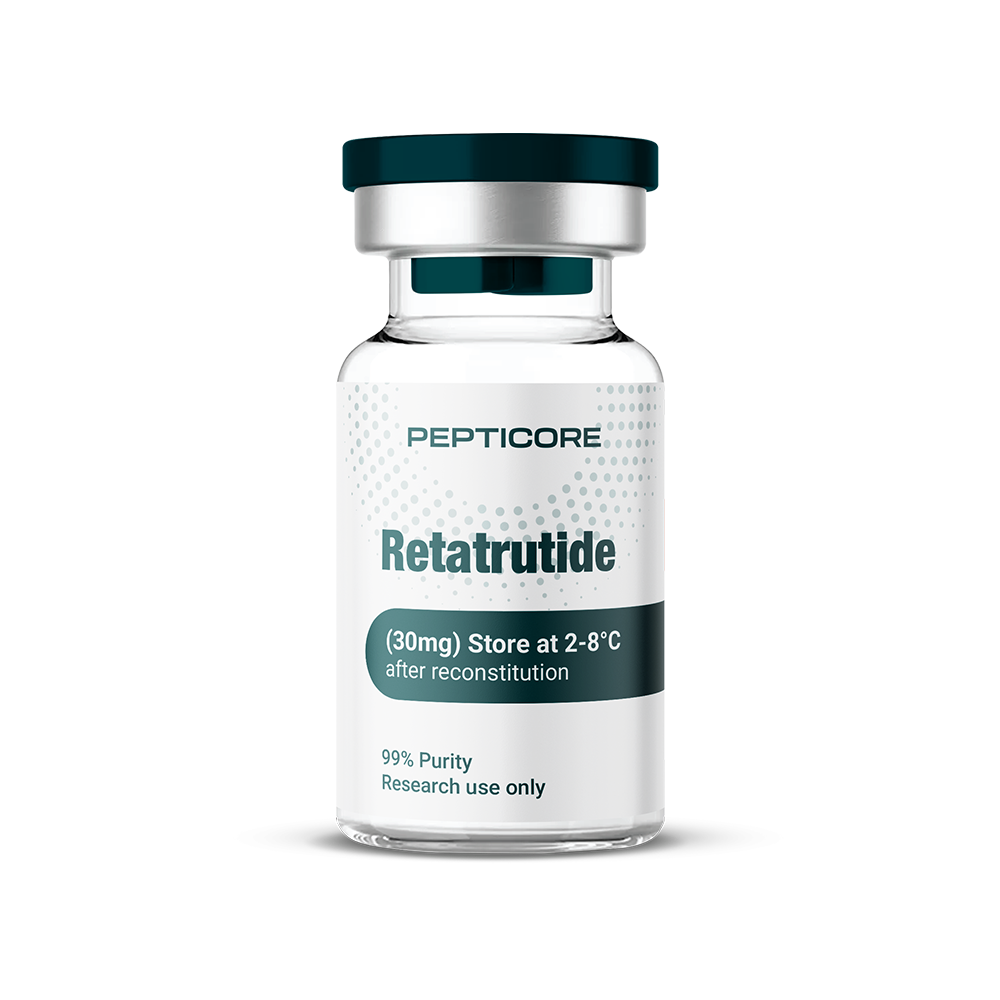
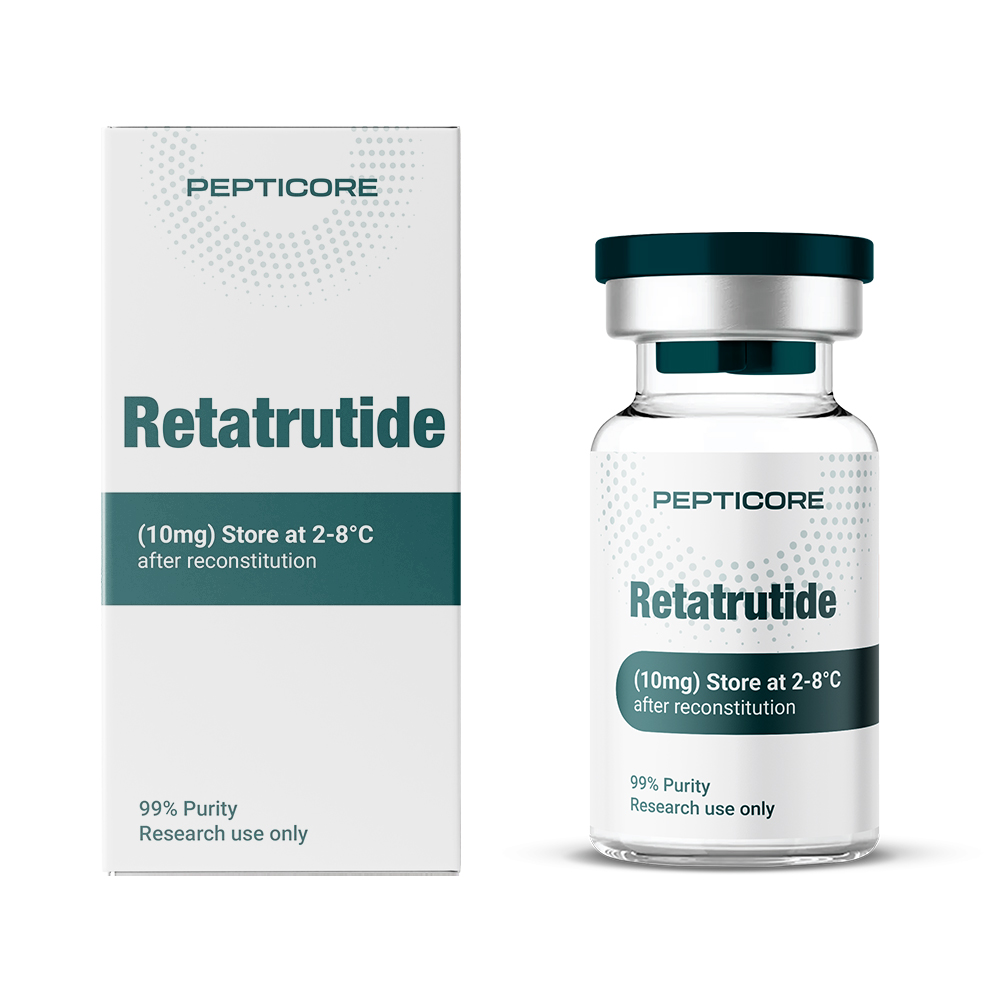
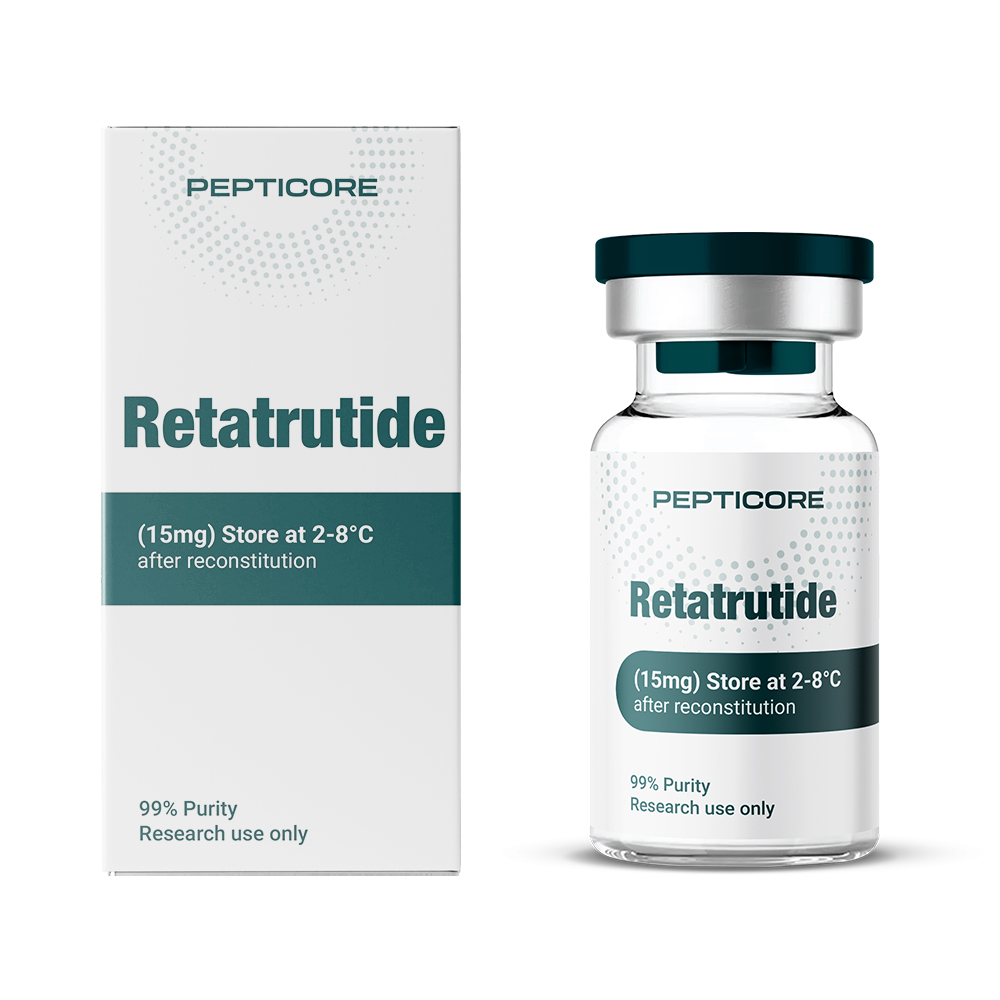
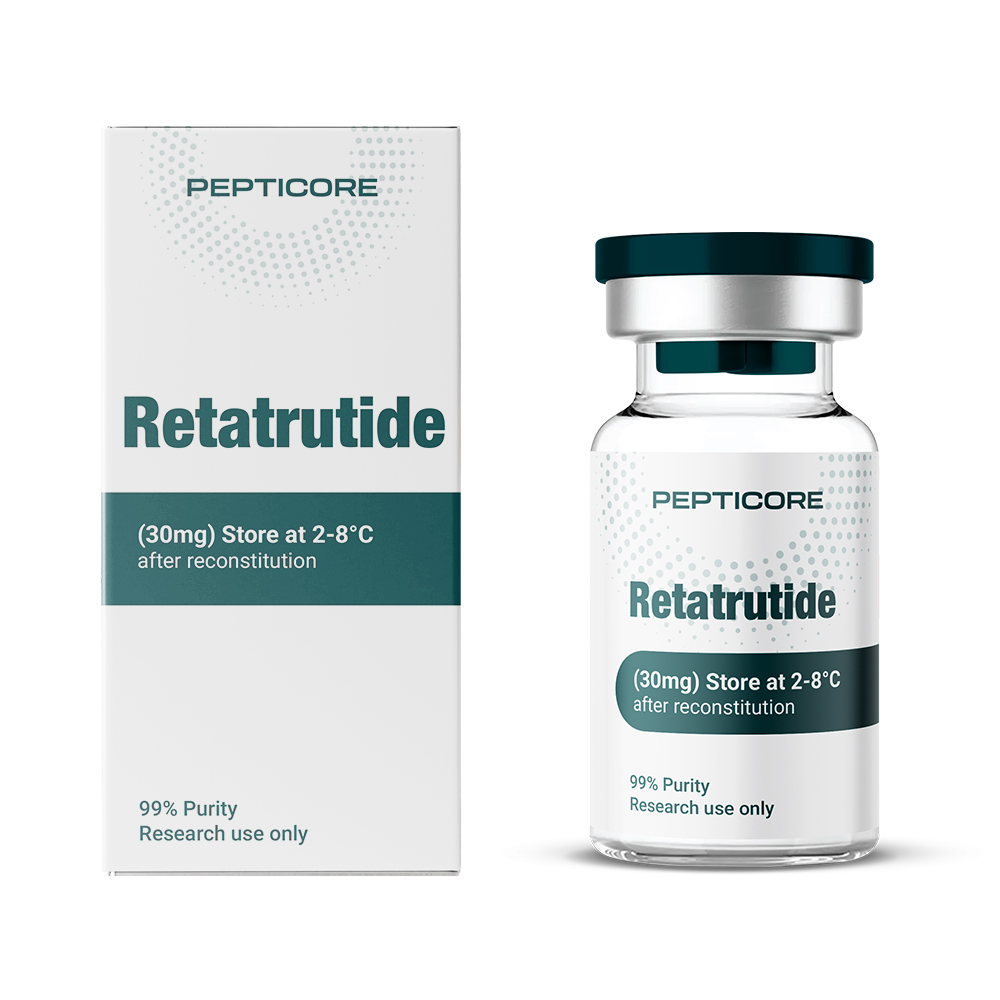
Retatrutide
10mg
15mg
30mg







Research Use Only
Products are intended exclusively for laboratory and analytical research purposes. By purchasing, customers acknowledge responsibility for compliance with applicable laws and regulations.
Retatrutide Overview
Retatrutide is a synthetic multi-receptor binding peptide currently under investigation in preclinical research models. Published studies examine its receptor affinity profile across GLP-1, GIP, and glucagon receptor constructs. All research data referenced on this page derives from third-party published literature. Pepticore supplies this compound exclusively as a laboratory reference material. No biological outcomes or suitability for human use is implied or established.
Retatrutide History
The structural development of Retatrutide builds on earlier peptide research examining single and dual receptor binding constructs. Prior research investigated GLP-1 receptor binding profiles, followed by dual-receptor analogs. Retatrutide extends this structural framework by integrating GLP-1R, GIPR, and GcgR binding affinity into a single synthetic reference compound studied in in vitro laboratory assays.
Retatrutide Structure
CAS #: 2381089-83-2
Molecular Formula: C₂₂₁H₃₄₂N₄₆O₆₈
Molecular Weight: 4845.44 g/mol
PubChem ID: 474492335
Retatrutide Research
Peer-reviewed literature has examined Retatrutide's binding characteristics across the following in vitro assay categories:
- Receptor binding assays: GLP-1R, GIPR, GcgR affinity and selectivity profiling
- In vitro endocrine pathway studies: Receptor interaction modeling
- Hepatic receptor pathway assays: Lipid pathway receptor mapping
- Multi-receptor signaling studies: Combinatorial receptor binding analysis
All findings referenced here are sourced from third-party peer-reviewed publications. Pepticore makes no independent claims regarding biological activity, efficacy, or outcomes for this compound.